


Building data confidence to support families with disabilities
Stories from the Data Catalyst Network of the Digital Transformation Hub.
Community Living Association Inc (CLA) provides essential parenting support to parents with intellectual disabilities, centring the voices, experiences and rights of families who are often overlooked in policy and data systems. When funding changes threatened CLA’s Grow Together program, the organisation recognised the need for a stronger, more credible data story – not just to meet reporting requirements, but to advocate effectively for families whose experiences are rarely captured accurately in mainstream data.
Through the Data Catalyst Network, Infoxchange partnered with CLA to co-design a practical outcomes framework, develop an accessible dashboard, and deliver tailored data capability building for staff.
Rather than attempting a complex, organisation-wide data overhaul, CLA intentionally began with a contained pilot project within the Grow Together team. This approach allowed them to build skills safely, test what worked, and ensure the data tools genuinely reflected the realities of parents’ lives.
Early in the project, CLA discovered that commonly used indicators, such as the number of contacts with child protection services, appeared useful on the surface, but carried significant risk if interpreted without context.
While increased contact often reflected improved engagement, trust, and advocacy support, CLA recognised that external systems could misinterpret these figures as evidence of higher risk, ongoing concern, or failure to progress – particularly in cases where reunification (the return of a child from out-of-home care to live with their parent) was not possible or appropriate.
CLA understood that:
· Reunification is not always the right or safest outcome.
· Progress can occur through stronger parent–child relationships, improved system navigation, and greater parental confidence, regardless of placement status.
· Raw metrics, stripped of context, could be misused or even used against parents with intellectual disability.
This insight prompted a deeper examination of how bias operates within systems, with CLA recognising that parents with intellectual disability are often subject to greater surveillance, assessed through frameworks not designed for cognitive disability, and judged against narrow definitions of success.
These structural biases can distort data, reinforce stigma and influence decisions about funding, eligibility and family safety. The project was then revisited to prioritise outcomes over outputs and separate activity measures from measures of change. Parents’ voices and ownership of their data remained central throughout, ensuring information was collected with consent, interpreted ethically, and used to empower rather than expose.
“We knew we needed to improve how we use data – not just for reporting, but to make better decisions and strengthen our case for support. Working with Infoxchange gave us a co-designed framework, a dashboard we can actually use, and training that’s built our team’s confidence. It’s been a genuinely collaborative process,” said Tania Lawrie, Coordinator at CLA.
As the project progressed, the dashboard made it easier to see patterns, reflect on outcomes and communicate results to funders in a way that is both credible and accessible. The process also built individual and organisational confidence, helping staff see data as a tool for storytelling, learning and advocacy rather than something that is complex or intimidating.
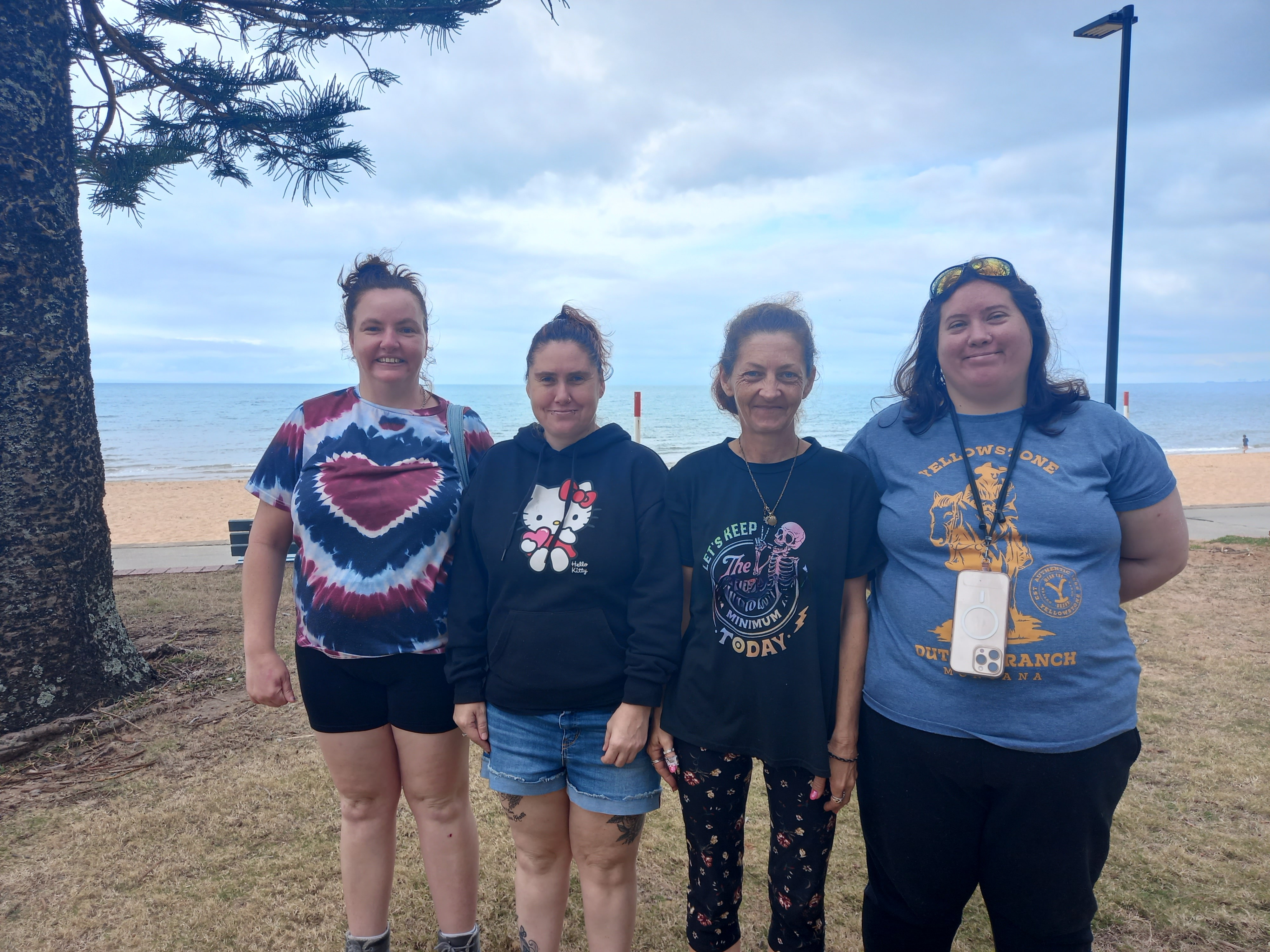
Participants of a Mum's group, the Parenting to Thriving Group, have been pushing for change at a systems level, advocating via films, running sector forums, presenting at conferences and engaging in research. But robust data has been the missing piece of the puzzle.
Recognising where data carries risk and bias
An important part of the journey was identifying potential risks of bias or how data might be interpreted beyond CLA’s immediate context. To do this, the team:
1. Started with strong outcomes: rather than trying to ‘reduce child protection involvement’ that may not be able to be interpreted without bias or in an appropriate manner, they focused on improving the quality of engagement, strengthening parent-child connections and building parents’ confidence navigating complex systems.
2. Stress-tested the metrics: by asking how it could be read by someone outside their context, asking how it might be interpreted by another system or decision-maker if seen in isolation, making the real risks more visible.
3. Brought lived experience into the design: asking whether parents would feel comfortable with particular data being recorded and shared, and whether it could ever be used against them. This gave a practical, values-based check on bias and unintended harm.
Designing data to protect and empower
With support from Infoxchange, CLA took deliberate steps to recognise and prevent bias in their data approach. They prioritised outcomes over outputs, focusing on what actually changes for parents and children rather than counting activity alone. Indicators were tested to consider how they might be interpreted outside CLA’s immediate context.
Parents were involved in shaping what was measured and how it was described, ensuring the data remained recognisable, owned and empowering rather than extractive. Context was embedded directly into dashboards and reporting, reducing the risk of numbers being read in isolation. Clear guidance was also developed to support consistent interpretation by funders and system stakeholders.
This careful design ensures CLA’s data strengthens advocacy and learning, while protecting families and maintaining trust.
From reporting to long-term impact
With increased confidence and the right tools in place, CLA is now better positioned to use data to inform decision-making, strengthen funding applications and contribute evidence to broader conversations about what works for families.
“A stronger data story [shows] the importance of our parenting support program. Partnering with Infoxchange helped us collect and share meaningful data so we can better advocate for families,” shared CLA Coordinator Tania Lawrie.
Join the Data Catalyst Network for access to free 1:1 support, expert webinars and ongoing comms from our experts specialising in data for NFPs here.
“We needed a stronger data story to show the importance of our parenting support program. Partnering with Infoxchange helped us collect and share meaningful data – so we can better advocate for families.”