

From AI curiosity to confident adoption: Across 3 AI Accelerators, 60 not-for-profits, here’s what we learned
As artificial intelligence becomes part of everyday work, many not-for-profits are asking the same questions: where should we start, what are the risks and how can we use AI responsibly in our organisation.
As artificial intelligence becomes part of everyday work, many not-for-profits are asking the same questions: where should we start, what are the risks and how can we use AI responsibly in our organisation?
AI adoption is accelerating, but organisations are starting from very different places. Some are already experimenting with AI, while others are still working through fundamental questions about risk, governance and where the technology can genuinely add value.
In partnership with Microsoft, Infoxchange delivered three AI Not-for-Profit Accelerators in Melbourne, Sydney and Brisbane, supporting 60 not-for-profits to move from curiosity towards confident, practical and responsible AI adoption.
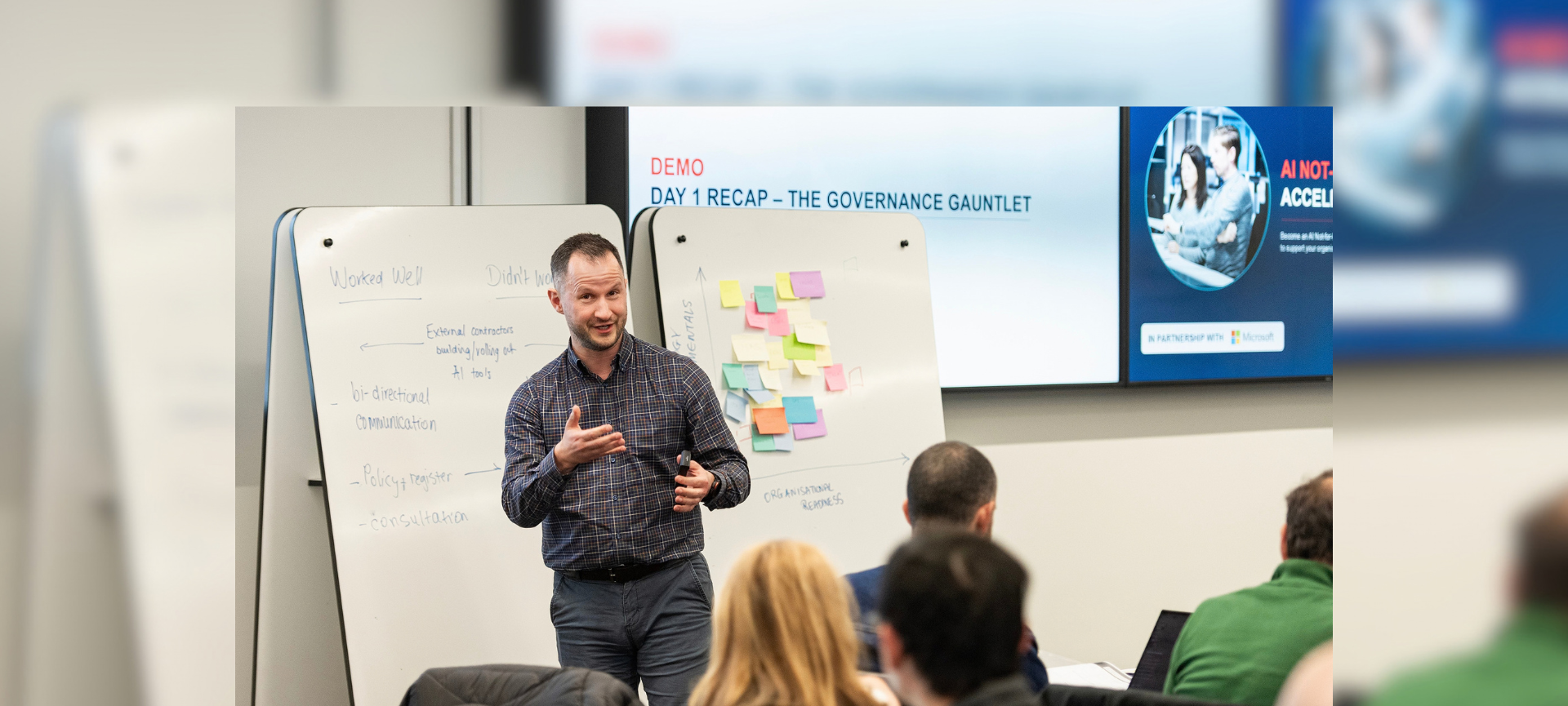
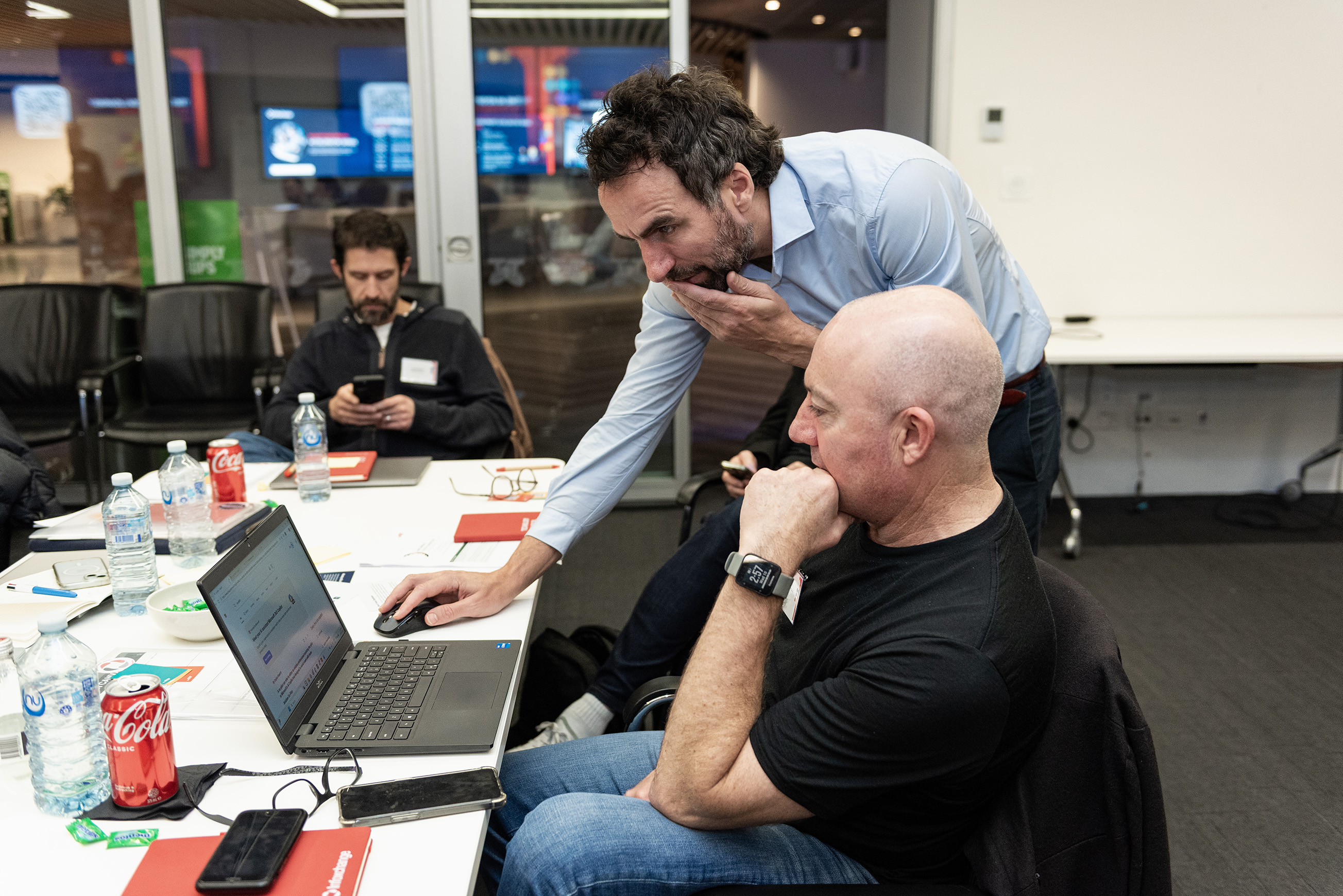
The two-day program brought together a leader and an implementer from each organisation, connecting strategic decision-making with the practical realities of introducing AI. Participants worked through governance and risk, organisational readiness, practical AI applications and roadmap development, supported by hands-on activities, Microsoft Copilot demonstrations and examples from not-for-profits already putting AI into practice.
What we learned
Don’t leave AI with one person or team.
Bring leadership and implementation perspectives together early. Decisions about AI need to consider strategy alongside the practical realities of systems, data, people and processes.
Start with governance, not just tools.
Before deciding what AI to adopt, consider where it should and shouldn’t be used, what risks need to be managed and who remains accountable for decisions and outcomes.
Learn by doing.
Small, practical experiments can make AI easier to understand and help identify where it could genuinely add value. Testing real use cases is often more useful than trying to understand every new AI capability.
Start from where your organisation is now.
There is no single path to AI adoption. Some organisations are ready to explore more advanced applications, while others need to focus first on policies, skills, data and organisational readiness.
Look for examples that resemble your organisation.
What works for a large organisation with a dedicated technology team may not work for a smaller not-for-profit. Seek out examples that reflect your size, resources and operating environment.
Treat AI adoption as an ongoing process.
Technology and risks will continue to change. Building capability means creating opportunities to keep learning, reviewing what is working and adapting your approach over time.
Participants rated the sessions on average 8.9/10, and particularly valued the combination of practical activities, responsible AI guidance and relatable examples from organisations including Justice Connect, the Alcohol and Drug Foundation, Uniting NSW.ACT and Cool.org.
Where to from here?
The Accelerators reinforced that responsible AI adoption is a journey rather than a one-off training exercise. Infoxchange is continuing to help not-for-profits build their capability through practical resources and ongoing support.
Organisations can use our AI Readiness Assessment to understand where they are today, access AI resources and training through the Digital Transformation Hub and AI learning community, and seek tailored support to work through practical adoption challenges. For eligible organisations, our one-to-one AI support can also help turn priorities into a responsible, achievable roadmap.
"Thank you to the Infoxchange team for hosting us, to Microsoft for hosting us, and everyone who contributed to a thoughtful and engaging conversation. One of the strongest messages was that successful AI implementation isn't really about the technology: it's about governance, leadership and people. For organisations in the community sector, responsible AI means putting clear safeguards, human oversight, privacy and ethics at the centre of how we use these tools. Looking forward to putting some of these ideas into practice." – James Farrell, CEO at Basic Rights Queensland
“Many thanks to the amazing team at Infoxchange for this engaging and informative workshop. It came at the right time as we embark this journey of AI. Reassuring stats, great company, delicious food, and a great outcome. It couldn’t get better than that! Thank you!” – Samar, Wellbeing Springs for Women